Puzzle games come in all shapes and sizes, making it easy to find something that fits every personality and preference. Whether your loved ones are looking for a casual way to unwind or a brain-teasing challenge, there's a puzzle game out there for them. Here are a few categories to consider when finding the right one:
When choosing a puzzle game, consider their interests and preferred difficulty level. Would they love a scenic landscape jigsaw, or do they thrive on number puzzles? Picking a game that matches their style will make it much more enjoyable for them!
Don't forget to think about the format, too. Some people enjoy physical puzzles that they can touch and manipulate, while others might prefer digital games that they can play on their phones or tablets anywhere they go. Whatever you choose, make sure it’s something they'll actually want to dive into!
Puzzle Game Types to Consider
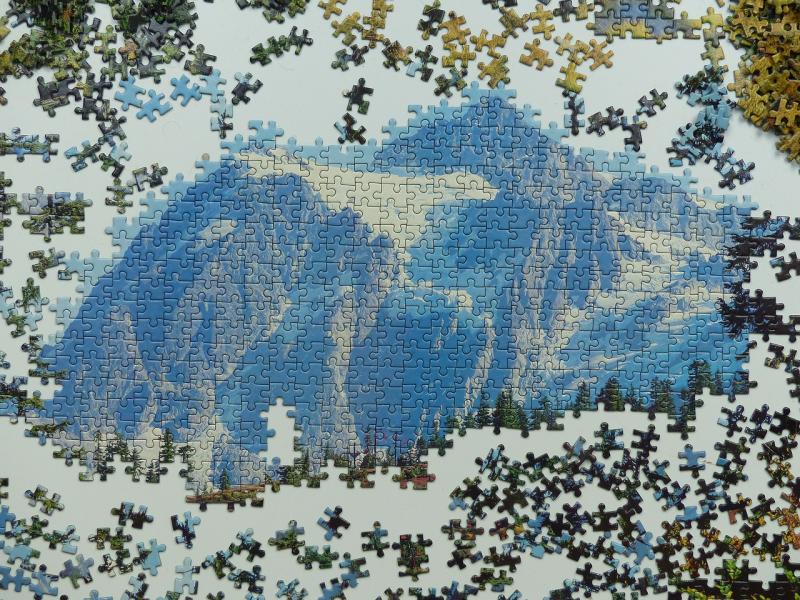
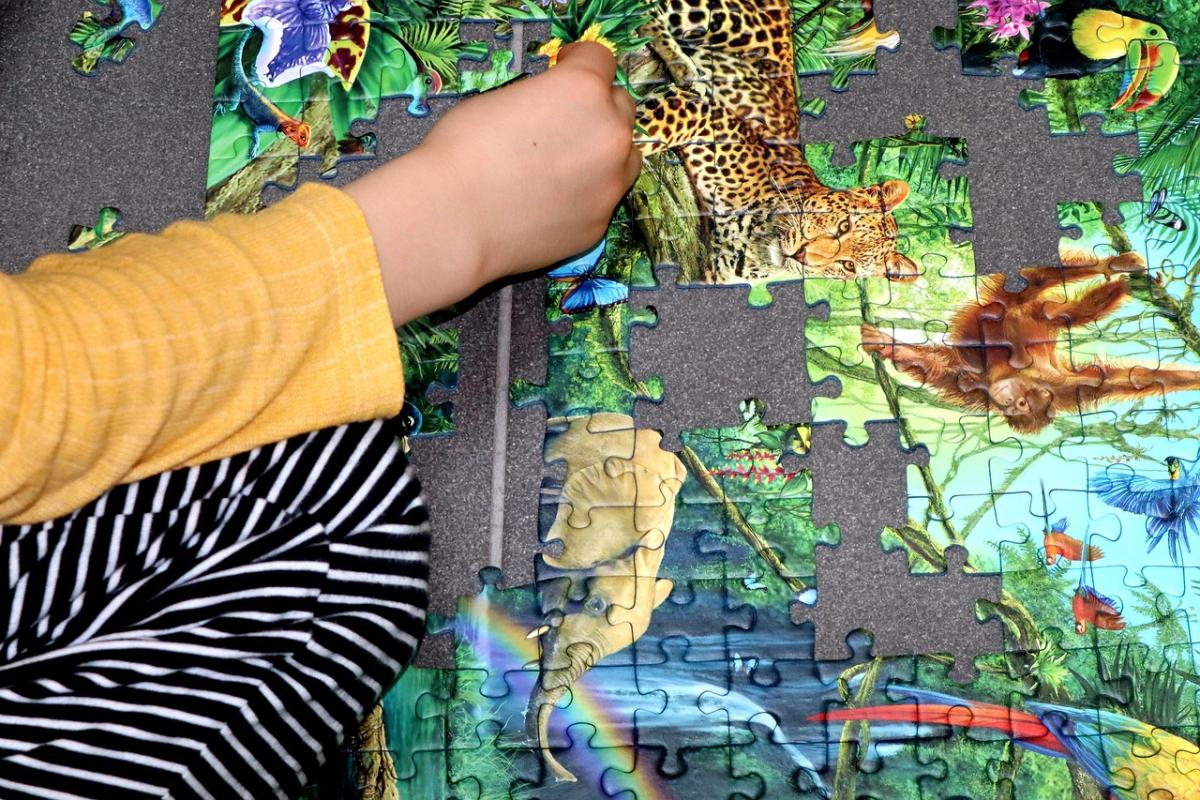
Jigsaw Puzzles: These classic puzzles never go out of style. They come in various piece counts, from simple 100-piece sets for kids to challenging 1000+ piece puzzles for experienced puzzlers. They’re great for family bonding—everyone can join in to put the picture together!
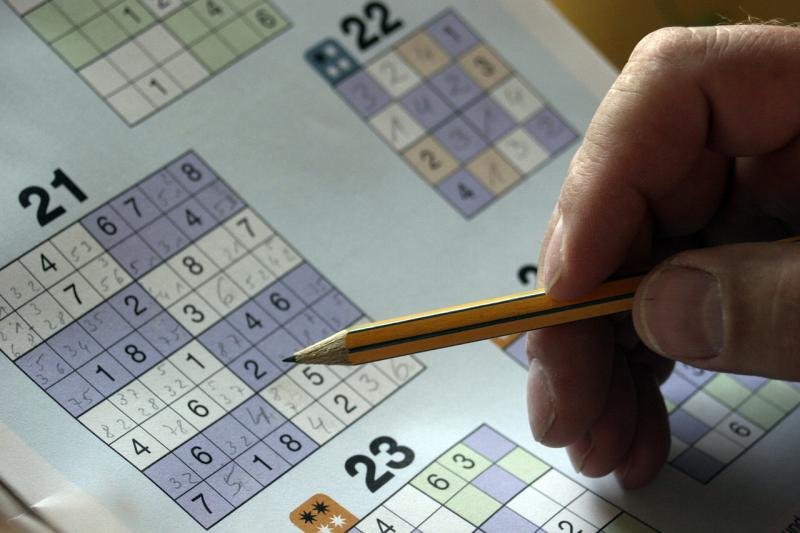
Logic Puzzles: If your loved ones enjoy brain teasers, logic puzzles might be right up their alley. Think Sudoku, crosswords, or even more complex games like KenKen. These puzzles help sharpen the mind and can often be done solo or in groups.
3D Puzzles: For those who love a challenge, 3D puzzles add an exciting twist. These puzzles not only work your brain, but they also allow you to create something impressive that stands on its own. Great for display after they've been completed!
Escape Room Games: If your loved ones love solving mysteries, escape room-style games can bring that thrilling experience home! Usually involving puzzles and clues that need to be solved to "escape," these games are perfect for game night and encourage teamwork.
Tips for Choosing a Great Puzzle Gift
Choosing the right puzzle gift can be a fun experience, but it can also feel a bit overwhelming with all the options out there. Here are some tips to help you pick the perfect one for your loved ones.
1. Know Their Interests: Think about what your friend or family member enjoys. Are they into animals, nature, or maybe even famous landmarks? Picking a puzzle that aligns with their hobbies or interests can make it extra special.
2. Consider the Difficulty Level: Everyone has a different level of puzzle expertise. Some folks love a good challenge, while others might prefer something more relaxing. If you're unsure, you can always ask subtle questions to get a feel for what they’d enjoy most!
3. Check the Number of Pieces: The number of pieces can make a big difference. For beginners or kids, smaller puzzles with fewer pieces work well. For seasoned puzzlers, go for larger sets that will keep them engaged for longer periods.
4. Look for Quality: A good puzzle should be made with sturdy materials. Check reviews or ask around to ensure the pieces fit well and don’t easily bend or wear out. Nobody wants to deal with a frustrating puzzle that falls apart!
Making Puzzle Time Fun for All
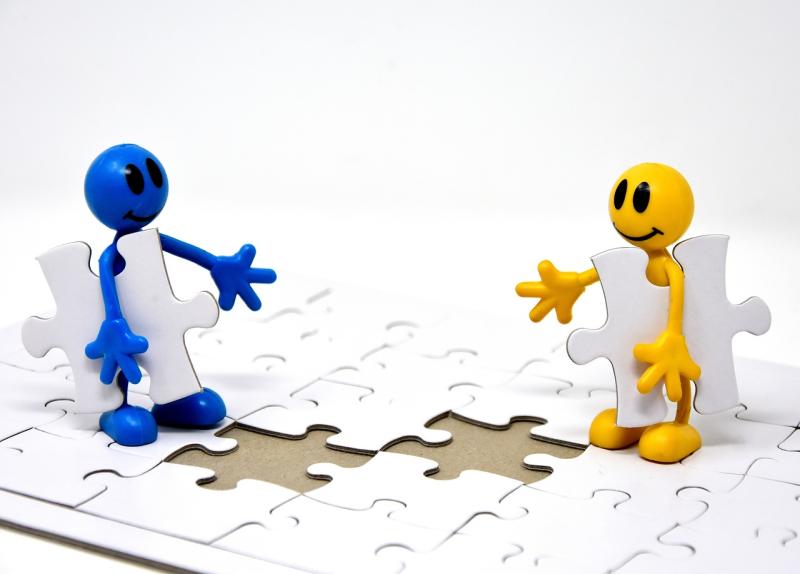
When it comes to making puzzle time enjoyable for everyone, it’s all about finding the right vibe! Puzzles can be the perfect game to bring family and friends together. Imagine sitting around a table, sharing stories, and working together to piece things together. It’s not just about solving; it’s about the laughs and memories created along the way.
Think about the interests of your loved ones. Are they into nature, animals, or perhaps famous landmarks? Choosing a puzzle that resonates with their passions can spark excitement. You’ll find puzzles featuring breathtaking landscapes, iconic cities, or even popular movie scenes. It’s a great way to keep everyone engaged and make the experience more enjoyable.
Another important factor is the difficulty level. While some folks love a good challenge, others may prefer something on the simpler side. If you're puzzling with kids or those new to the game, opting for a puzzle with larger pieces or fewer pieces can make all the difference. On the flip side, more experienced puzzlers might appreciate a more complex design that will really test their skills.
Don’t forget about the size of the puzzles! If you’re planning a gathering, consider a puzzle that can accommodate more people comfortably. Larger puzzles can involve everyone and help create team spirit. You might even want to set a timer for a little friendly competition. It’s amazing how quickly everyone can dive in and focus!