Puzzles are not just fun; they’re like a workout for your brain! When you dive into a jigsaw puzzle or crossword, your mind kicks into gear, boosting memory, problem-solving, and even creativity. Each piece that clicks into place or each word you uncover helps sharpen your mental skills, making it easier to think on your feet.
One of the coolest perks of doing puzzles is improved memory. As you piece together images or recall words, you’re actively engaging your memory. Over time, this practice not only helps with cognitive function but also keeps your brain in shape as you age.
Puzzles also enhance your critical thinking skills. When faced with a challenging crossword or a tricky Sudoku, you have to think logically and make connections. This process of analyzing and strategizing can translate to better decision-making in everyday life. Plus, the satisfaction of solving a tough puzzle can give you a nice boost of confidence!
And let’s not forget about stress relief. Getting lost in a puzzle can be a fantastic way to unwind after a long day. It allows you to focus your mind on something enjoyable and can be quite meditative, helping to clear away any mental clutter.
So, if you're looking to give your brain a boost, grab a puzzle and start playing! It's an easy and fun way to keep your mind sharp while having a great time doing it.
Types of Puzzles for Every Mind
Puzzles come in all shapes and sizes, catering to different interests and skill levels. Whether you're a seasoned puzzler or just getting started, there’s something for everyone! Here’s a quick rundown of various types of puzzles to help you find the perfect fit for your brain.
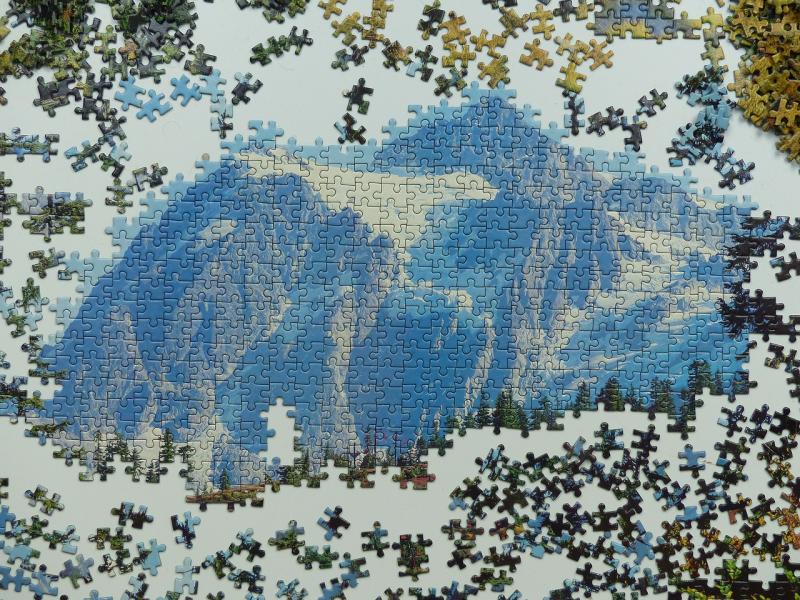
1. Jigsaw PuzzlesThese classic puzzles challenge you to piece together an image from hundreds or even thousands of fragments. Jigsaw puzzles enhance your visual-spatial skills and patience. Plus, they’re great for family time or solo relaxation. You can find puzzles of all difficulty levels, from easy 100-piece sets for beginners to complex 2000-piece masterpieces for the advanced.
2. Crossword PuzzlesIf you love wordplay, crosswords are perfect for you! These puzzles test your vocabulary and general knowledge as you fill in the blanks with words based on clues. They can be found in various formats, from the daily newspaper to specialized books. Plus, they are a fantastic way to learn new words and trivia while keeping your mind sharp!
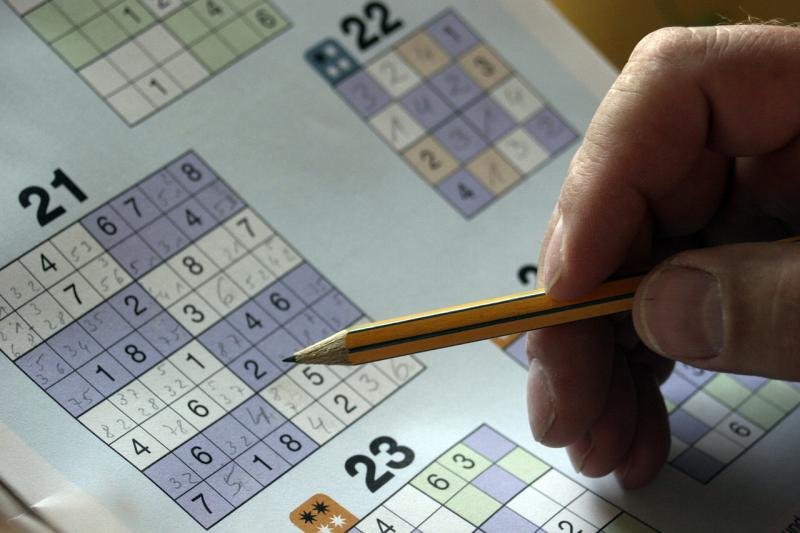
3. SudokuFor those who prefer numbers over letters, Sudoku offers a great challenge. Each puzzle consists of a 9x9 grid that you fill with numbers, ensuring that each row, column, and 3x3 box contains the numbers 1-9 without repetition. It's all about logic and pattern recognition. It’s easy to pick up but can become quite tricky at higher levels. Sudoku is great for improving problem-solving skills and concentration.
4. Logic PuzzlesLogic puzzles are all about deduction. They often present a scenario with clues that you need to piece together to find the answer. These puzzles can vary in difficulty and are a fun way to develop critical thinking skills. They come in various formats, including riddles, grid puzzles, and brain teasers, keeping your brain engaged and entertained.
Fun Ways to Challenge Yourself
Looking to boost your brainpower? Trying out some fun challenges can really enhance your puzzle-solving skills and keep your mind sharp! Here are a few engaging ways to shake things up.
1. Try a New Puzzle Type: If you usually stick to crosswords, why not switch it up? Dive into sudoku, jigsaw puzzles, or even logic puzzles. Exploring different styles keeps things interesting and helps stretch your brain in new ways. Plus, you might discover a new favorite!
2. Set a Timer: Challenge yourself to complete a puzzle in a set amount of time. This adds a fun twist and gives you a little motivation to think quickly. You can gradually try to beat your record, making it a fun game against yourself!
3. Join a Puzzle Group: Sometimes, sharing the love for puzzles with others can lead to great challenges. Look for local groups or online forums where you can tackle puzzles together. It sparks friendly competition and keeps you engaged with new ideas and techniques.
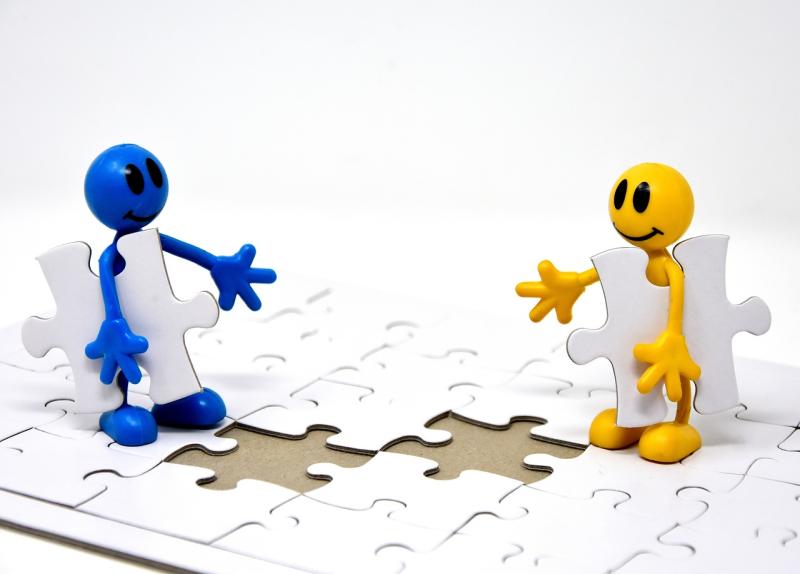
4. Teach Someone Else: Explaining how to solve a puzzle to someone who’s new to it can deepen your own understanding. Plus, it’s rewarding to watch someone else learn and succeed! You could even team up on a tricky puzzle to see how different minds tackle the same challenge.
Tips to get the Most from Puzzles
Solving puzzles is a fun way to keep your brain active and sharp. To make the most of your puzzle-solving time, here are some handy tips that can enhance your experience:
Don't forget to celebrate your victories, big or small! Every completed puzzle is a step toward boosting your brainpower.